Wardogs After the Rain Update
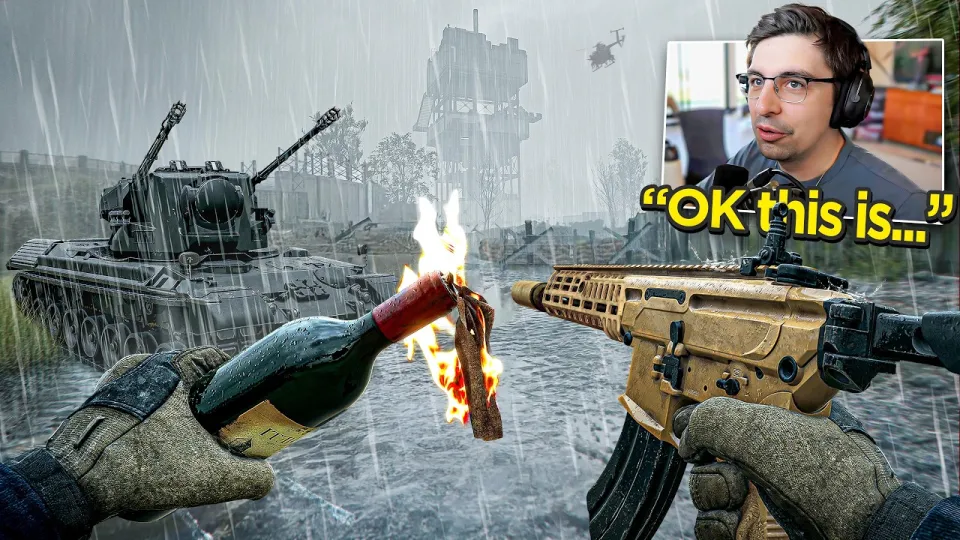
Video: Wardogs Is a Completely Different Game Now...
You can order the same kind of articles for your own video to boost it on YouTube and Google. Just message the Telegram bot @sat_sit_bot. Articles with your video embedded are written and posted by the bot itself — on popular topical sites (no ads). Free trial — 50 articles.
· based on the channel shroud
Key takeaways
- Season 2 of Wardogs added rain as a full weather system, not a cosmetic filter.
- Rain cuts visibility to roughly 190 meters in places, gutting long-range sniping.
- Infrared goggles and HP ammo become far more valuable in wet conditions.
- Squads of six on comms routinely face groups of around 20 uncoordinated players.
- Shroud's session shows the PP-19 with HP rounds deleting players once leg shots land.
Wardogs is an extraction-style tactical shooter where weather now shapes every fight: the Season 2 rain update reduces visibility, weakens long-range sniping and pushes squads into close, messy engagements. That is why the game feels completely different — the storm is a mechanic, not a filter. You can catch the full session from shroud's channel and follow the show via the Spotify podcast page for more breakdowns.
The rain arrived in Wardogs Season 2 and immediately rewrote the rules of engagement. In the video, shroud and his group test the new conditions live: they push through open ground, get ambushed from buildings, and repeatedly lose track of enemies who are only a few dozen meters away. The takeaway is simple — anyone who learned Wardogs in clear weather has to relearn it in the wet.
What the rain actually changes in Wardogs
Rain in Wardogs is a visibility and information mechanic first, and a visual effect second. It does not just make the screen grey; it removes the long sightlines that most players built their entire playstyle around.
- Sightlines collapse. Players report struggling to see targets even around 190 meters, which is inside the range where a scoped rifle used to be a guaranteed answer.
- Sniping loses its throne. Holding a ridge with a bolt-action or DMR is far less reliable when the target dissolves into the rain between shots.
- Sound and awareness shift. With eyesight degraded, callouts from teammates and audio cues matter more than raw aim.
- Close-range kits win. SMGs, shotguns and anything that fights inside 50 meters become the default answer.
- Optics change value. Thermal and infrared solutions get stronger in rain, because they cut through what the naked eye cannot.
If you queue into a rainy lobby with a sniper rifle and no backup plan, you are playing a worse version of the game than the squad next to you.
The PP-19 and HP ammo lesson
The most instructive moment in the session is a running argument about how to kill a heavily armored player. The answer is HP ammo aimed at the legs, and the failure to execute it is what makes the clip memorable.
- Identify the ammo. HP (hollow point) rounds punish unarmored limbs; against armor plates they do far less.
- Aim low. Legs and arms are the target, not the chest and certainly not the head.
- Commit. Fire a sustained burst at the legs instead of snapping to the torso out of habit.
- Expect the kill to feel wrong. Targets drop fast once the limb damage stacks, which is why the PP-19 with HP ammo feels broken when used correctly.
In the video the instruction is given, acknowledged, and then ignored — the shots go everywhere except the legs, the target survives, and the weapon gets declared the worst in the game. That is not a gun problem. It is a habit problem, and rain makes it worse because you have less time to correct a bad first burst.
Squad size and communication in rainy lobbies
Wardogs throws small organized groups against much larger, looser ones, and the rain magnifies that imbalance in both directions. A six-player squad in one voice channel with clean callouts can outfight roughly twenty players who are not coordinating, because the storm hides individual movement but not a team's shared information.
That cuts both ways. The same rain that lets a coordinated group slip past a bigger force also means a lone flanker can appear out of nowhere with no warning. Practical adjustments:
- Assign one player to watch the squad's back trail; visibility loss makes rear ambushes common.
- Call out compass directions and landmarks rather than "over there" — nobody can see the thing you see.
- Slow the pace near buildings. Most of the deaths in the session come from entering structures blind.
- Treat loot runs as combat prep. Repacking magazines mid-fall, in the open, in front of a building where an enemy just shot you, is how sessions end early.
Map knowledge still decides fights
Rain does not erase the map, it just hides it, so players who know the terrain keep an advantage. A squad moving through the south side of Ozeti and pushing northwest toward a bridge can recognize exactly which part of the map they have walked into even when the horizon is grey — and that recognition is what turns a random field into a defensible position.
Building a base or holding a compound during a storm is a legitimate strategy, and the session shows why: structures block the rain, give you cover from the open, and force attackers into the same short sightlines you are already fighting in. The cost is that everyone inside is blind to what is happening outside, so somebody has to be the eyes.
Recoil, ego and the 0 HP kill
Rain does not make players worse at recoil control, but it makes bad recoil control more visible. Watching a top-tier player track a target through a storm at low health is a reminder that mechanical skill still decides individual duels — the environment just changes which duels happen.
The session's signature moment is a kill pulled off at effectively zero HP, the kind of fight that should be lost and is not. It is also a warning: pushing a building after being shot from it, then stopping to manage inventory instead of clearing the angle, is exactly how that same player dies minutes later. Confidence and carelessness look identical from the outside until the death screen appears.
Useful links
- Spotify show page — the podcast feed tied to the channel's content.
- Logitech G — peripherals promoted in the video, with a promo code mentioned in the description.
- MAINGEAR shroud build — the prebuilt PC referenced by the channel.
- shroud on Twitter — updates and clips.
- shroud on Twitch — live streams where Wardogs sessions happen first.
Final thoughts on Wardogs in the rain
Wardogs Season 2's rain is the rare weather system that changes decisions rather than screenshots. It shortens fights, punishes sniper habits, rewards coordinated squads and makes optics and ammo choice genuinely matter. The session on shroud's channel is a useful case study precisely because it shows both sides: clean mechanical plays and avoidable deaths caused by old habits. If you are returning to the game after a break, assume nothing about your loadout until you have played a rainy match. And if you want more of this kind of breakdown, the Spotify show page is the place to start.
Questions & answers
Does rain in Wardogs actually affect gameplay or is it just visual?
It affects gameplay directly. Visibility drops sharply, with players reporting they cannot see targets even around 190 meters, which removes most long-range sniping. Fights get pushed into close range, and thermal or infrared optics gain value because they cut through the weather.
Why does everyone say to shoot legs with HP ammo?
HP rounds are designed to damage unarmored body parts, so legs and arms take far more punishment than a plated torso. Against armored opponents, aiming center mass with HP ammo wastes the magazine. The PP-19 becomes a completely different weapon once bursts actually land on the legs.
Is a small squad viable against much larger groups in Wardogs?
Yes, if the small group is communicating. Six players in one voice channel sharing callouts can beat roughly twenty players who are not coordinating, since the rain hides individual movement but not a team's shared information. The risk is a lone flanker appearing with no warning.
What should I change in my loadout for rainy matches?
Drop the sniper-first mindset and bring something that fights inside 50 meters, plus optics that work in low visibility. Carry the right ammo type for the armor you expect to face, and treat inventory management as something you do behind cover, never in the open during a push.
Source: Wardogs Is a Completely Different Game Now... · Markdown version